Precise, non-surgical pain relief delivered in Chesterfield, just outside St. Louis.
ADVANCED TECHNOLOGY MEETS SURGICAL EXPERTISE
Why Dallas Patients Choose Dr. Peloza
Choosing a spine surgeon is a major decision, especially when you are in pain and hoping to avoid unnecessary surgery. Dr. John Peloza combines decades of experience, advanced motion-preserving techniques, and patient-first communication so you feel informed and supported rather than rushed.
For more than 30 years he has focused on complex and motion-preserving spine surgery, including cervical and lumbar artificial disc replacement, hybrid constructs, and revision procedures for prior fusions or failed discs, and many patients travel to him after exhausting local options or being told fusion is their only choice.
He takes a conservative-first approach—starting with non-surgical options such as medications, physical therapy, and injections whenever they are likely to help—and recommends surgery only when it offers the best chance for durable relief and function. Patients describe him as thorough, honest, and easy to talk to; he explains your imaging in plain language and makes sure you understand both risks and benefits so you can share in every decision.
There are several kinds of spine injections, each designed to target a specific problem area. Dr. Peloza uses these precise treatments to help relieve pain and improve mobility, depending on the individual needs of each patient.
REDEFINING WHAT RECOVERY CAN LOOK LIKE
Understanding Cervical Disc Replacement (CDR)
Advanced Spine Care for Dallas Patients
Spine problems can range from nagging neck stiffness to burning pain that shoots down an arm or leg, and the right treatment is rarely one-size-fits-all. At Peloza Spine’s Dallas location, you receive a careful evaluation and options that span from conservative care to advanced motion-preserving surgery, matched to your diagnosis and goals.
He treats the full spectrum of neck and back conditions, including herniated discs, spinal stenosis, degenerative disc disease, pinched nerves, scoliosis, and complex revision cases, and most patients begin with non-surgical care such as medications, structured physical therapy, and image-guided injections.
When surgery offers the best chance to protect your nerves or restore function, Dr. Peloza provides modern procedures including cervical and lumbar artificial disc replacement, minimally invasive decompression, spinal fusion when necessary, and hybrid constructs that combine disc replacement and fusion. He explains each option and its recovery in clear terms so you can choose confidently.
A Leader in Artificial Disc Replacement & Motion Preservation
Dr. John Peloza has built his career around one central idea: when it is safe and appropriate, your spine should keep moving. Instead of defaulting to fusion, he focuses on relieving nerve pressure, controlling pain, and protecting stability while preserving as much natural motion as possible.
Artificial disc replacement lets him remove a damaged disc that is compressing nerves and replace it with a motion-preserving implant, which for the right candidates can maintain flexibility, reduce stress on nearby levels, and help your neck or back feel more natural than a traditional fusion. He reserves fusion for cases where the spine is truly unstable or severely arthritic, often using disc replacement alone or in a hybrid construct so you avoid permanently locking more levels than necessary.
As an early adopter of motion-preserving spine surgery, Dr. Peloza uses artificial disc replacement in the neck and lower back when symptoms, imaging, alignment, and bone quality support that choice. For more complex cases, he may recommend multi-level disc replacement or a hybrid procedure that combines disc replacement and fusion, with the goal of relieving nerve pressure while preserving motion where it is safe to do so.
Dr. Peloza cares for the full spectrum of neck, back, and nerve-related spine problems—from common disc issues and pinched nerves to complex deformities and revision surgeries—so you can receive coordinated care in one place. Whether your goal is relief from everyday neck or low back pain, getting back to work, or addressing a long-standing spine condition, he tailors treatment to your specific diagnosis and level of complexity.
Neck Pain Treatment
Herniated discs: A damaged cervical disc that has bulged or ruptured, pressing on nearby nerves and causing neck pain, stiffness, or pain that travels into your shoulder, arm, or hand.
Cervical stenosis: Narrowing of the spinal canal in your neck that can compress the spinal cord or nerve roots, leading to neck pain, balance changes, or numbness and weakness in the arms or hands.
Degenerative disc disease: Age-related wear and tear of the discs in your neck that can cause chronic neck pain, stiffness, and sometimes radiating nerve symptoms when nearby nerves become irritated.
Pinched nerves: Irritated or compressed nerves in the cervical spine that can cause sharp, shooting pain, burning, tingling, or numbness that follows a nerve pathway into your arm or hand.
Cervical radiculopathy: A specific type of pinched nerve in the neck where a nerve root is compressed, often causing neck pain plus radiating arm pain, weakness, or loss of coordination in the affected limb.
Back Pain Treatment
Sciatica: Nerve pain that starts in your lower back or buttock and travels down the leg, often described as burning, shooting, or electric pain caused by pressure on the sciatic nerve.
Lumbar disc herniation: A damaged disc in the lower back that has bulged or ruptured, irritating nearby nerves and causing low back pain, leg pain, or numbness and tingling.
Bulging discs: Weakened or worn lumbar discs that bulge outward but may not have fully ruptured, which can narrow space around nerves and lead to intermittent back or leg symptoms.
Lumbar spinal stenosis: Narrowing of the spinal canal in the lower back that can compress nerves, often causing pain, heaviness, or cramping in the back and legs that worsens with standing or walking.
Chronic lower back pain: Ongoing low back pain lasting more than a few months, often related to disc wear, joint arthritis, muscle strain, or a combination of structural and nerve-related problems.
Lumbar radiculopathy: A pinched nerve root in the lower back that causes radiating leg pain, weakness, or numbness along a specific nerve path, sometimes called “sciatica” when the sciatic nerve is involved.
Degenerative disc disease (DDD): Age-related wear of the lumbar discs that can lead to disc collapse, inflammation, and mechanical back pain, sometimes with associated nerve irritation and leg symptoms.
Complex Spine Conditions
Scoliosis: Side-to-side curvature of the spine that can cause uneven shoulders or hips, back pain, and in some cases nerve pressure or breathing changes when curves become more severe.
Spondylolisthesis: A condition where one vertebra slips forward over the one below it, which can lead to back pain, leg pain, and nerve symptoms when the slip narrows space around the nerves.
Spinal deformities: Structural changes in the spine—such as abnormal curves, rotations, or imbalances—that can cause posture changes, pain, and progressive wear on discs, joints, and nerves over time.
Revision spine surgery: Specialized procedures to correct or improve the results of a prior spine surgery, such as addressing persistent pain, hardware problems, or new issues that developed after the original operation.
Failed back surgery syndrome: Ongoing or recurrent back or leg pain after spine surgery when the original procedure did not fully relieve symptoms or new problems have developed, requiring careful evaluation to identify the cause and next best step.
Artificial disc replacement is a motion-preserving spine surgery where Dr. Peloza removes a damaged disc that is pinching nerves and replaces it with a specialized implant designed to move more like a healthy disc. This approach aims to relieve neck or back pain, reduce nerve pressure, and maintain flexibility at the treated level instead of permanently fusing the bones together.
Minimally Invasive Spine Surgery
Minimally invasive spine surgery uses smaller incisions and specialized instruments so Dr. Peloza can address disc problems, bone spurs, or narrowed spaces around nerves with less disruption to muscles and soft tissues. For many patients, this can mean less blood loss, a shorter hospital stay, and a smoother recovery compared with traditional open surgery.
Spinal Fusion Surgery
Spinal fusion is a procedure that permanently connects two or more vertebrae so they heal into a single, solid bone, which can stabilize an unstable segment and protect irritated nerves. Dr. Peloza typically reserves fusion for situations where motion-preserving options are not safe or effective, such as severe arthritis, deformity, or significant slippage of one vertebra over another.
Non-Surgical Treatment Options
Non-surgical treatments focus on calming irritated nerves, reducing inflammation, and improving how your spine moves without an operation. Depending on your needs, this may include medications, structured physical therapy, targeted spine injections, electrical stimulation, and lifestyle changes such as posture training and low-impact exercise, all tailored to help you feel and function better with the least invasive approach possible.
What to Expect During Your Consultation
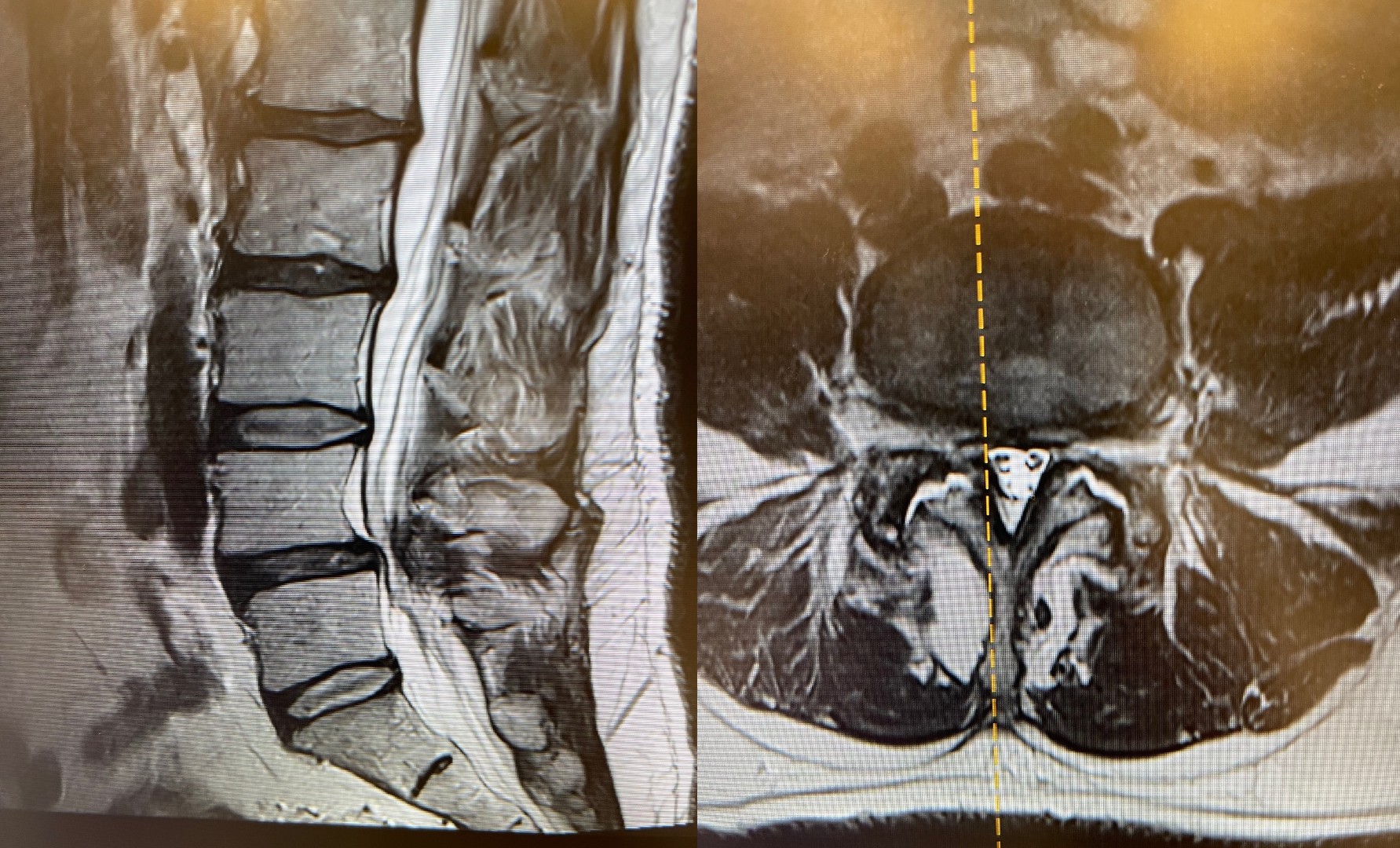
When you schedule a consultation with Dr. Peloza, your visit begins with a detailed conversation about your symptoms, medical history, and how your neck or back pain is affecting your daily life, followed by a focused physical and neurologic examination. He then reviews any existing imaging you have, such as X-rays, MRI, or CT scans, and orders updated studies if needed so he can clearly see what is happening in your spine and how it relates to your symptoms.
Once the cause of your pain is better understood, Dr. Peloza walks you through the full range of treatment options, starting with non-surgical care whenever it is likely to help and explaining what you can realistically expect from medications, physical therapy, injections, and lifestyle changes. If surgery is the best way to protect your nerves or restore function, he discusses motion-preserving procedures such as artificial disc replacement as well as fusion and other techniques, outlining the risks, benefits, and recovery steps so you can decide together on a plan that fits your health, anatomy, and goals.
Certain symptoms suggest that a nerve or even the spinal cord may be under more serious pressure and deserve timely evaluation rather than a “wait and see” approach. Pain that shoots into your arms or legs, new numbness or tingling, weakness, trouble walking, or a clear loss of mobility can all signal that nerves are not functioning properly and may be at risk if the problem is not addressed.
You should also act if chronic neck or back pain is beginning to limit your work, sleep, or daily activities, or if symptoms are not improving despite reasonable conservative care such as medications, physical therapy, or injections. In these situations, Dr. Peloza recommends a focused consultation and updated imaging to find out what is driving your symptoms and to prevent potentially reversible issues from becoming permanent.
Serving Patients Throughout Dallas & Surrounding Areas
Dr. Peloza cares for people from across Dallas and the northern suburbs, whether you are commuting in from Plano, Frisco, Irving, Richardson, Garland, Highland Park, University Park, or North Dallas. Many patients tell him their goals in simple terms—getting back to walking the Mandalay Canals in Irving, finishing a round at Pecan Hollow in Plano, enjoying a summer day with family at Hawaiian Falls in Garland, or strolling Highland Park Village or the SMU campus without constant pain—so he designs treatment plans around helping you return safely to the places and activities you love.
Patients also travel from across the United States—and in some cases from overseas—to see Dr. Peloza for his expertise in artificial disc replacement and complex motion-preserving spine surgery. They seek him out as a highly requested specialist with decades of experience, unique skill in revision and hybrid procedures, and a track record of helping patients who have been told elsewhere that fusion is their only option.
You should see a spine surgeon for back pain if pain persists despite conservative care, radiates into the leg, or causes weakness, numbness, or difficulty walking. A spine surgeon can identify whether symptoms come from a disc, nerve, joint, or spinal instability and recommend appropriate treatment.
Do all herniated discs require surgery?
Not all herniated discs require surgery. Many improve with time, physical therapy, anti-inflammatory treatment, activity modification, or targeted injections. Surgery may be considered when a herniated disc causes severe nerve compression, persistent leg pain, weakness, or symptoms that do not improve with non-surgical.
What is the recovery time for minimally invasive spine surgery?
Recovery time for minimally invasive spine surgery varies by procedure, diagnosis, and overall health. Many patients walk the same day and return to light activity within days to weeks. More complex procedures may require a longer recovery plan guided by the surgeon and rehabilitation team.
Am I a candidate for artificial disc replacement?
You may be a candidate for artificial disc replacement if you have disc-related neck or back pain without severe arthritis, instability, deformity, or advanced bone loss. The best candidates have symptoms that match imaging findings and have not improved enough with non-surgical treatment.
What areas around Dallas do you serve?
Dr. Peloza serves patients from Dallas and surrounding communities, including Plano, Frisco, Irving, Richardson, Garland, Highland Park, University Park, and North Dallas. Many people travel from across North Texas and beyond for his specialized expertise in artificial disc replacement and motion-preserving spine surgery when those options are limited locally.
Schedule a Telemedicine Consultation With Dr. Peloza Today
If neck, back, or nerve pain has been limiting your life, you do not have to keep guessing what to do next or keep repeating the same treatments without clear answers. A consultation with Dr. John Peloza in Dallas gives you dedicated time with an experienced spine surgeon who will listen carefully, review your imaging, and explain in plain language what is causing your symptoms and which options—non-surgical care, artificial disc replacement, or another procedure—are most likely to help.
Whether you are early in your spine journey or seeking a second opinion after being told you need a fusion, this visit is your opportunity to explore motion-preserving strategies and a tailored plan built around your goals for work, family, and the activities you love. Schedule your spine consultation today to take the next clear, informed step toward long-term relief and a more active, comfortable life.
“Dr. Peloza is outstanding. His bedside manner is bar none-he's compassionate, patient, and genuinely cares about his patients. He is incredibly smart, explains things in a way that makes you feel confident and informed, and never rushes you. I wouldn't trust anyone else with my spine issues and feel very lucky to have found him.”
- Cathy C.,
“I had disabling back pain interfering with my work, my sleep, and my leisure. After consulting several excellent physicians in Dallas who all recommended complicated fusion surgery I traveled to see Dr. Peloza and had surgery without a fusion and its downrange complications. 1 month later I am pain free and once again active in all daily activities. His staff is amazing and they coordinate all aspects of your care and do a great job on Tele care as well. Dr. Peloza cares about his patient's quality of life and their perception of care. There is none better when it comes to bedside manner, patient communication, expertise in the field, and access to care. Don’t want to be another 'Postlaminectomy syndrome on chronic pain meds' - Then this is the place to trust for your care!”
- AS,
“Dr. Peloza and his staff were incredible to work with from the beginning of my diagnosis to the surgery and the aftercare. Would highly recommend him!!”
- Michael J.,
“I’m extremely pleased, I feel honored to recommend Dr. Peloza to everyone. I can actually say he saved me and changed my life. I now feel like I have a reason to get up and enjoy the beautiful day that God blessed me with.”
- Deb J.,
“I absolutely think this man is an amazing doctor! He replaced 4 discs in my C-spine and he is doing my lumbar spine very soon! I HIGHLY HIGHLY recommend him! I am so grateful for everything!”
- Cathy W.,
“Dr. Peloza is an extremely gifted surgeon and practitioner. I have recommended him to anyone who will listen to how having a disc replacement has changed my life!”
- Jacque C.,
“Dr. Peloza has been phenomenal from the first day I saw him! His extended tests helped to get a proper diagnosis, as well as he has been quick to come up with a treatment plan for me. His staff are professional, friendly, and quick to offer help. One of the best!”
- Kelly M.,
CASE HIGHLIGHTS
Discover breakthrough treatments and remarkable patient recoveries.