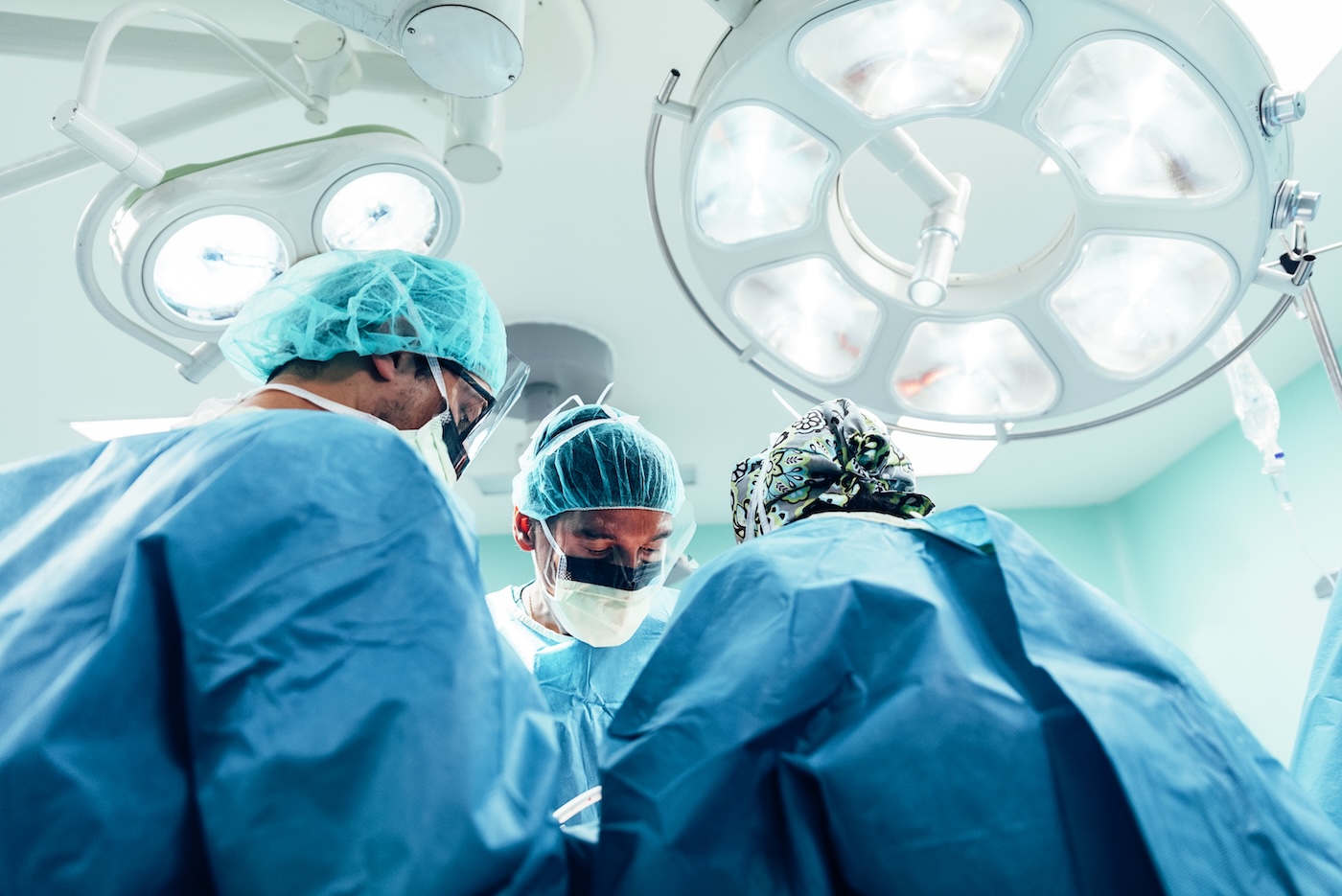
Myths About Artificial Disc Replacement: Separating Fact from Fiction
Artificial disc replacement is a spine surgery used to treat certain causes of chronic neck and back pain while preserving natural motion in the spine. Although the procedure has been used for decades and has well-documented results, persistent myths still cause many patients to dismiss it too quickly. In this article, Dr. John Peloza addresses common misconceptions about artificial disc replacement, drawing on more than 30 years of experience in motion-preserving spine surgery.
Understanding Artificial Disc Replacement
Artificial disc replacement is a spine surgery used to treat certain disc-related causes of chronic neck or back pain while preserving motion at the treated level. Unlike spinal fusion, which permanently joins two vertebrae and limits movement, artificial disc replacement maintains flexibility while relieving pain and nerve compression.
During the procedure, the surgeon removes a damaged disc and replaces it with a prosthetic implant designed to mimic the movement and load-sharing function of a healthy disc. By preserving controlled motion, artificial disc replacement aims to support more natural spinal mechanics after recovery.
Artificial disc replacement can be performed in both the cervical spine (neck) and the lumbar spine (lower back), depending on the location of disc damage and the patient’s symptoms. Careful imaging and evaluation determine whether this approach is appropriate.
Dr. John Peloza has more than 30 years of experience specializing in motion-preserving spine surgery and participated in early artificial disc replacement research and clinical trials, contributing to the development and long-term adoption of this technique.
Common Myths About Artificial Disc Replacement
Myth #1 – “It Doesn’t Work”
Many people still believe that artificial disc replacement “doesn’t work,” but decades of high-level clinical research show that this is not true. Multiple long-term studies, including randomized controlled trials, have found that artificial disc replacement provides lasting pain relief, preserves motion, and has excellent implant durability over ten or more years of follow-up.
These results match what Dr. John Peloza sees in his own practice. With more than 30 years of experience in motion-preserving spine surgery, Dr. Peloza has cared for patients whose artificial discs have been in place for over 20 years and continue to function well, allowing them to stay active with significantly less pain.
Myth #2 – “ADR Is Only for Young People”
Artificial disc replacement is not “only for young people.” While age is one factor, surgeons look more closely at bone quality, spinal stability, disc damage, and overall health to decide if someone is a good candidate.
Many patients in their 50s and 60s safely and successfully undergo artificial disc replacement when their evaluation shows good bone quality and appropriate spinal anatomy, often with excellent pain relief and function. Patients can be candidates from early adulthood through their 60s, as long as imaging and medical workup confirm that arthritis and other age-related changes have not progressed too far at the treated level.
Myth #3 – “The Artificial Disc Will Wear Out Quickly”
The belief that an artificial disc will “wear out quickly” is generally not supported by current evidence. Long-term follow-up studies show that modern artificial discs tend to remain stable and effective for many years in appropriately selected patients, with durable pain relief and maintained motion.
Today’s artificial discs are built from advanced materials such as medical-grade metals and specialized plastics that are engineered to withstand the normal forces of daily movement over the long term. Under typical use, they are designed with the goal of lasting a lifetime, and problems that require revision surgery—such as implant failure or significant wear—are uncommon.
Myth #4 – “ADR is Riskier Than Spinal Fusion”
Artificial disc replacement is not automatically riskier than spinal fusion, and for many well-selected patients it can actually be a gentler option on the spine. It preserves motion at the treated level and does not permanently lock the bones together, so more of the spine’s natural structure is left intact, which can help reduce extra stress on nearby levels over time.
Large clinical studies comparing artificial disc replacement with fusion show similar or lower overall complication and reoperation rates for disc replacement in appropriate candidates, which is the opposite of the “riskier” choice. Many patients also experience a faster recovery and earlier return to normal activities with disc replacement, because the spine continues to move more normally after surgery. At the same time, spinal fusion remains the better and safer option for certain conditions, so the best procedure for you depends on your specific anatomy, imaging findings, and overall health after a thorough evaluation with Dr. John Peloza.
Myth #5 – “You Can’t Have ADR If You’ve Had a Prior Spine Surgery”
Having a prior spine surgery does not automatically rule out artificial disc replacement. Many patients who have had earlier procedures can still be good candidates, depending on how their spine has healed and what their current imaging shows.
Each case needs a careful, expert evaluation to decide whether artificial disc replacement, spinal fusion, or a hybrid approach that combines both is the safest and most effective option. Dr. John Peloza frequently treats patients who have had previous spine surgeries and tailors the plan to their specific anatomy, symptoms, and long-term goals.
Myth #6 – “Artificial Discs Don’t Feel Natural”
Many patients are surprised by how natural their neck or back feels once they have fully recovered from artificial disc replacement. Most people who are good candidates for this surgery report that their spine moves comfortably in everyday activities and no longer feels “locked up” the way it can after fusion.
The artificial disc is specifically designed to mimic the job of a healthy disc, allowing controlled bending, rotating, and flexing at the treated level. Its goal is to preserve normal motion while relieving pain, so patients can turn, look up and down, or bend and twist in a way that feels closer to their natural movement pattern.
The Facts About ADR: Proven Benefits
Artificial disc replacement offers several well-established benefits for the right patients. These advantages come from both how the surgery is performed and how the implant is engineered to work over time.
- Preserves Natural Motion at the treated spinal level, instead of permanently locking the bones together as in spinal fusion. Multiple randomized trials of cervical disc replacement show maintained motion at the operated segment over long-term follow-up.
- Reduces Stress on Adjacent Discs, which may lower the risk of future surgery at nearby levels. Meta-analyses and long-term studies report lower rates of adjacent segment degeneration and adjacent-level surgery after disc replacement compared with fusion.
- Offers Faster Recovery than spinal fusion. Clinical trials have found quicker return to work and better neck disability and function scores in disc replacement patients during follow-up.
- Provides Long-Term Pain Relief and improved mobility. For example, ten-year cervical disc replacement data and long-term lumbar disc replacement studies show sustained improvements in pain, function, and patient satisfaction.
- Designed for Durability with advanced metals and specialized plastics engineered to withstand years of movement. Long-term follow-up reports low device-failure rates and maintained motion, supporting the durability of modern implants.
These findings align with decades of global clinical use and the long-term experience of surgeons like Dr. John Peloza who specialize in motion-preserving spine surgery.
Why Choose Dr. John Peloza for Artificial Disc Replacement?
Artificial disc replacement is a highly specialized procedure, and surgeon experience makes a real difference in both safety and outcomes. Dr. John Peloza has built his career around motion-preserving spine surgery, including cervical and lumbar artificial disc replacement.
Dr. John Peloza brings over 30 years of spine surgical experience with a strong focus on motion-preserving techniques such as artificial disc replacement. He was among the first surgeons in the United States to perform artificial disc replacement, giving him deep familiarity with the procedure, devices, and long-term outcomes.
Patients appreciate Dr. Peloza’s personalized, patient-first approach, which emphasizes clear education, shared decision-making, and treatment plans tailored to each person’s anatomy, lifestyle, and goals for function and mobility. His work in advancing artificial disc replacement and minimally invasive spine surgery has earned recognition beyond his local community, and patients routinely travel from across the country to see him in Chesterfield, Missouri, seeking life-changing relief from chronic neck and back pain
Schedule Your Consultation Today
Patients who have been told they need a spinal fusion—or who simply want to know whether artificial disc replacement might be an option—are encouraged to schedule a consultation with Dr. John Peloza. This visit gives you dedicated time to review your imaging, talk through your goals, and learn whether a motion-preserving approach is a safe and realistic choice for your specific condition.
During your appointment, Dr. Peloza will provide an honest, straightforward evaluation rather than recommending a “one-size-fits-all” solution. He designs individualized treatment plans focused on relieving pain, protecting spinal motion whenever possible, and helping you return safely to the activities that matter most to you, whether that means artificial disc replacement, spinal fusion, or a non-surgical approach.